Commercial Moves in Soho: Reliable Office Relocation Support for Local Businesses
Moving a business in Soho without losing time, momentum, or peace of mind

Commercial moves in Soho require a very different approach from a standard house move. Soho is one of London’s busiest and most tightly packed districts, where office buildings, creative studios, hospitality venues, retail units, and shared workspaces all sit close together. That density is part of what makes the area so dynamic, but it also means that every relocation needs careful planning, efficient access, and a clear understanding of local conditions.
If you are moving a small office, a growing agency, a restaurant back office, a showroom, or a larger commercial workspace, the key challenge is the same: keep disruption low and business continuity high. Local customers often want a service that can work around opening hours, building access rules, loading restrictions, and the practical realities of moving in central London. That is exactly why choosing a team familiar with Soho commercial relocations can make such a difference.
Whether you are expanding into a new floor, downsizing, reorganising a multi-site operation, or moving a whole department, a well-managed move should feel structured rather than stressful. The right service should help with packing, handling, transport, building coordination, furniture movement, and the careful transfer of equipment that your business depends on every day.
Why Soho needs a specialist approach

Soho’s streets are narrow, busy, and often crowded from early morning until late at night. Deliveries may need to be timed around traffic flow, pedestrian activity, and venue opening hours. In many cases, building entrances are shared, access routes are limited, and lift use may need to be booked in advance. A generic moving service may not account for these details, but a local team working on commercial moves in Soho should be prepared for them.
Another important factor is the wide range of property types found in the area. Soho includes period buildings with awkward staircases, converted offices, upper-floor workspaces, creative studios tucked into older premises, and modern commercial units with strict management procedures. Each type of property creates different moving challenges. A careful mover will assess the route, identify bottlenecks, and plan the right team size and equipment before moving day begins.
There is also the issue of time. Commercial customers in Soho often cannot afford long periods of downtime. A shop, office, agency, production space, or hospitality venue may need to move outside core business hours or in stages. That means the moving plan must be flexible enough to fit your schedule while still keeping everything efficient, safe, and organised.
What our commercial moving service in Soho can include
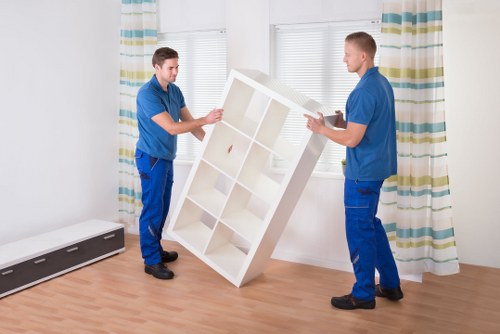
Every business has different needs, so a commercial relocation service should be adaptable rather than rigid. Some customers need full support from packing to reinstallation, while others only need help with transport or heavier items. A good service is built around your actual move, not a one-size-fits-all checklist.
Common elements of Soho office and business moves can include:
- Pre-move planning and access checks
- Packing support for documents, IT, stock, and office contents
- Secure handling of desks, chairs, storage units, and meeting furniture
- Careful movement of computers, screens, printers, and office equipment
- Disassembly and reassembly of selected furniture where required
- Loading, transport, and unloading between sites
- Coordination with building managers, concierge teams, or landlords
- Staging moves across multiple floors or departments
- Support for after-hours, early-morning, or weekend relocation windows
For businesses dealing with stock, archives, or specialist equipment, extra care is often needed. That may mean label-based sorting, protective wrapping, dedicated handling for fragile items, or moving high-value items separately. The goal is always to make the transfer as controlled as possible so your team can settle in quickly at the new location.
Local challenges that matter during a Soho business move
Access, parking, timing, and building rules
Anyone planning a relocation in central London knows that access can be the hardest part. In Soho, parking is limited and loading spaces may be shared or restricted. Some streets can be difficult for larger vehicles to navigate, and many buildings require prior notice before a move. That is why it helps to work with a local company that understands how to plan around these constraints instead of treating them as unexpected problems.
Practical issues that often affect commercial relocations in Soho include:
- Restricted loading zones and time-limited access
- Congestion from nearby businesses, restaurants, and theatres
- Foot traffic at busy times of day
- Lift bookings, stair access, and shared entry points
- Noise considerations for neighbouring offices and residential flats
- Coordination with landlords, building managers, or site supervisors
These details can affect not only how long the move takes, but also how smoothly the day runs. A well-organised move often starts with route planning and a realistic schedule, especially where streets near Oxford Street, Regent Street, Charing Cross Road, Carnaby, Piccadilly, and the West End are involved.
Who we help with commercial relocations in Soho

Soho is home to many different kinds of businesses, and each one has its own moving requirements. A flexible commercial moving service should be able to support a broad mix of local customers, from small independent firms to larger organisations with multiple departments.
Typical customers include:
- Offices and professional services firms
- Creative agencies, studios, and production teams
- Retailers and boutique stores
- Restaurants, cafés, bars, and hospitality back-office teams
- Shared workspaces and serviced office occupants
- Showrooms and client-facing commercial premises
- Start-ups moving into their first proper workspace
- Established businesses relocating within Soho or nearby districts
Some moves are straightforward and involve only a small amount of furniture and equipment. Others are more complex and require careful sequencing, such as moving IT systems first, followed by desks, then archive materials, and finally display or stock items. For businesses with customer-facing operations, planning the move around opening hours can be especially important so that service interruptions stay minimal.
In many cases, local knowledge matters just as much as manpower. Moving from one Soho building to another may look simple on paper, but the real-life logistics can be very different once access points, floor layouts, and transport timing are taken into account.
How a Soho commercial move is usually planned
A practical process that keeps your move under control

A smooth commercial move should begin long before moving day. The most efficient relocations are usually those where the team has taken time to understand the building, the contents, and the sequence of work. That allows the actual move to run in a logical order rather than a rushed one.
A typical process may include:
- Initial discussion: learning what you are moving, where you are going, and when the move needs to happen.
- Site review: checking access, lifts, stairs, loading points, and any restrictions.
- Move plan: setting the order of work, vehicle requirements, and team size.
- Packing and preparation: labelling, wrapping, and organising items by department or zone.
- Moving day: loading, transport, unloading, and placement at the new site.
- Set-up support: reassembling selected furniture, positioning equipment, and helping the space become usable again.
This structure helps reduce confusion and saves time on the day itself. It also makes it easier for your staff to understand what will happen and when, which can be particularly useful if multiple teams or departments are involved.
What should be prepared before moving day?
Simple steps that make a big difference
Good preparation is one of the best ways to keep a commercial move efficient. Even when the moving team is highly organised, a few practical steps from your side can help everything flow more smoothly. The aim is not to create more work, but to make sure the items you need are ready to go and that the new space can be set up quickly.
Preparation checklist for business customers:
- Back up digital files and protect sensitive data before equipment is disconnected
- Label boxes, drawers, and loose items clearly by department or room
- Separate essentials needed on day one from items that can be unpacked later
- Inform staff about what they should pack personally and what will be handled centrally
- Check access requirements for both the current and new premises
- Confirm any lift bookings, time slots, or building notices needed in advance
- Remove or securely manage confidential documents and restricted materials
- Make sure the new site is ready for furniture placement and equipment setup
For retail or hospitality businesses, preparation may also involve stock counts, display planning, and deciding which items need to arrive first. For offices, it may mean identifying priority desks, shared printers, meeting room furniture, and essential files so the team can resume work with minimal delay.
Why businesses choose a local Soho team
Faster responses, better planning, and fewer surprises
Working with a team that regularly handles Soho commercial moves offers several practical advantages. Local crews are more likely to understand the pace of the area, the type of buildings involved, and the common access limitations. That means less time spent explaining the basics and more time spent getting the move right.
Benefits of choosing a local company include:
- Familiarity with central London traffic and route planning
- Better understanding of Soho building layouts and access issues
- More realistic timing for loading, unloading, and staging
- Ability to work flexibly around business hours and venue schedules
- Practical experience with offices, retail units, and hospitality spaces
- Clearer planning when moves involve surrounding areas such as Fitzrovia, Mayfair, Covent Garden, Marylebone, and the West End
Local knowledge is especially helpful for time-sensitive relocations. If your company needs to vacate a space by a certain deadline, or if your move must be coordinated around maintenance, renovation, or lease commitments, having a team that understands the practical pressures of central London can be a real advantage.
Pricing factors for commercial removals in Soho
What affects the quote?
Customers often want to know what influences the cost of a commercial move. While exact pricing depends on the details of your project, a number of common factors usually shape the final quote. Understanding them early helps you plan realistically and compare services on a like-for-like basis.
Typical pricing factors may include:
- The size of the premises and volume of items being moved
- The number of floors, stairs, or lift restrictions at each site
- Distance between the old and new locations
- Timing requirements, such as evenings, weekends, or out-of-hours work
- Special handling needs for fragile, heavy, or high-value items
- Whether packing, dismantling, and reassembly are required
- Access limitations, parking conditions, and loading arrangements
- The number of movers needed and the length of the job
If you are moving within Soho or into neighbouring districts, the move may be quicker than a longer cross-city relocation, but that does not always mean it is simpler. Central London conditions can make short-distance moves more demanding than they first appear, especially when timing and access are tight.
A proper quotation should reflect the real conditions of your move rather than relying on guesswork. That is why a clear discussion of your premises, contents, and schedule is so important before any work begins.
Office moves, retail moves, and hospitality relocations
Different sectors, different priorities
Soho’s business mix is one of its defining features. That means commercial moves here are rarely limited to standard office furniture. A good moving team should be comfortable adapting to different sectors and understanding what matters most to each one.
For offices: the priority is usually continuity. Desk setups, IT equipment, storage, and document handling all need to be moved in an order that allows staff to resume work quickly. Sometimes the move is phased so one department relocates first while another continues operating.
For retail and showrooms: presentation matters. Fixtures, displays, stock, mirrors, signage, and customer-facing pieces must be handled with care. The new layout may also need a precise placement process so the space is ready for opening again as soon as possible.
For hospitality businesses: timing is often crucial. Back-office relocations, stockroom moves, furniture transfers, and equipment handling may need to take place outside service hours to avoid interrupting trading. Careful coordination can reduce disruption for both staff and customers.
For creative and media businesses: specialist equipment, fragile items, artwork, and archives may need extra protection. This can involve custom packing approaches, careful sequencing, and close attention to how items are stored during transport.
Areas covered around Soho
Nearby districts and local connections
Soho sits at the heart of central London, so many commercial moves involve nearby locations as part of a wider relocation plan. Customers often move between Soho and surrounding areas, or from nearby districts into the area because of its strong business connections and central position.
Areas commonly linked with Soho relocations include:
- Covent Garden
- Fitzrovia
- Mayfair
- Marylebone
- Piccadilly
- Oxford Street
- West End
- Chinatown
- Bloomsbury
- Holborn
Moves between these districts can seem short in distance, but the practical planning still matters. Vehicle access, road layout, traffic, and building rules can all affect the move, so a team familiar with central London can help make the process more straightforward.
How to know if your move needs extra support
Signs that the relocation is more complex than it looks
Not every business move requires the same amount of preparation, but some situations benefit from additional planning and manpower. If your relocation has any of the following features, it is sensible to discuss the details early so the right support can be arranged.
Extra support is often useful when:
- You are moving across multiple floors or buildings
- Your premises have narrow corridors, stair-only access, or tight entrances
- There are large quantities of furniture or files to move
- You need to protect fragile equipment or delicate stock
- You must complete the move within a short time window
- Your move needs to happen outside standard working hours
- You are coordinating with building management or a landlord deadline
- Your team needs help packing, labelling, or staging the process
When these factors are present, a planned approach can save a great deal of time and stress. It also reduces the risk of delays caused by unclear access, missing equipment, or poor sequencing.
Frequently asked questions about commercial moves in Soho
Helpful answers for local businesses
Can commercial moves in Soho be done outside working hours?
Yes, many business customers prefer early morning, evening, or weekend scheduling to reduce disruption. The best option depends on your building rules, access arrangements, and the nature of your work.
Do I need to pack everything myself?
Not necessarily. Some customers prefer to pack personal items or files themselves, while others want support with the full packing process. The right approach depends on the size of the move and the level of protection required for your items.
What if my building has limited access or no parking?
This is common in Soho. A local moving team can plan around loading restrictions, vehicle size, and access routes. In some cases, timing and coordination are more important than distance.
Can you move IT equipment and office electronics?
Many commercial relocations include computers, monitors, printers, and similar equipment. These items usually require careful packing, handling, and planning so they arrive ready for reconnection.
How far in advance should I arrange a move?
It is best to begin planning as early as possible, especially if you need a specific date or time window. Early planning gives more room to organise access, staff responsibilities, and building requirements.
Is a small move still worth planning properly?
Absolutely. Even a small relocation can become disruptive if it involves tight access, fragile equipment, or urgent deadlines. Careful planning helps small moves run just as smoothly as larger ones.
Booking a commercial move in Soho
Clear steps, practical support, and a service built around your business
If you are preparing for a relocation and want to keep the process controlled, now is the right time to start planning. Commercial moves in Soho work best when the moving team understands your building, your schedule, and the specific items that need careful handling. The more detail shared at the outset, the easier it is to shape a move that suits your business.
Whether you are transferring a small office, moving to a larger premises, reorganising departments, or relocating a customer-facing business, the right support can make a noticeable difference to the result. A well-run move should help you protect your equipment, save time, and get operational again with less disruption.
Contact us today to discuss your Soho relocation needs, request a free quote, or book your service now. If you are comparing options, ask about access planning, timing, packing support, and the best way to manage your specific type of business move.
Why this service works well for Soho businesses
A local solution for a demanding part of London
Soho is not an area where a standard approach always works. The streets are busier, the buildings are more varied, and the timing requirements are often tighter than in less central locations. That is why local commercial moving support is so valuable. It is not just about moving items from one place to another; it is about doing so in a way that respects the pace of the area and the needs of the business.
What local customers usually want most is: a move that is organised, careful, and completed with as little interruption as possible. For an office, that may mean desks and IT being ready quickly. For a shop, it may mean stock and fixtures are placed correctly. For a hospitality business, it may mean the move happens without affecting service. Whatever the setup, the aim is to help your business transition smoothly.
When you are ready to move, a well-planned commercial relocation in Soho can save time, reduce stress, and help your team settle into the new space faster.
Practical help for local decision-makers
Facilities managers, office managers, business owners, and operations teams often need a moving partner who can work confidently with building rules, deadlines, and day-to-day business demands. That usually means clear communication, a realistic schedule, and a moving plan that accounts for the real conditions on the ground.
For many local customers, the decision comes down to trust, timing, and convenience. If a mover can show that they understand Soho’s access challenges and can adapt to your needs, the choice becomes much easier.
Final thought
If your business is planning a relocation in Soho or a nearby central London area, start by outlining your timeline, the items being moved, and any access limitations. From there, it becomes much easier to arrange a move that fits your operation. Request a free quote, ask for practical advice, and book your service now so you can move forward with confidence.