Storage in Soho: Flexible Space Solutions for Homes, Flats, Shops, Offices and Creatives
Why local storage in Soho makes everyday life easier

If you live or work in Soho, you already know that space is at a premium. The area is lively, compact, and constantly moving. That is part of its appeal, but it can also make everyday storage difficult. Flats often have limited wardrobes, basements can be damp or impractical, and many businesses simply do not have the back-room space they need. That is where storage in Soho becomes a practical solution for residents, freelancers, retailers, hospitality teams, and office-based businesses that need extra room without the hassle of moving or expanding.
Local storage is not just about hiding things away. It is about making your day-to-day space work better. Whether you are between homes, renovating a flat, clearing a stockroom, or trying to keep seasonal items out of the way, a nearby storage service gives you room to breathe. In a neighbourhood like Soho, where properties tend to be compact and access can be challenging, having a local option saves time and removes stress. You can store what you need, when you need it, and keep your home or business organised in a way that suits your lifestyle.
Because Soho sits in the heart of central London, people often need storage for very different reasons. One customer may be a resident in a period building with awkward loft access; another may run a fashion studio near Carnaby or a café close to Dean Street and need somewhere secure for equipment or surplus supplies. A good local storage provider understands those realities. It should feel easy to book, straightforward to use, and flexible enough to fit around the way Soho actually works.
Who storage in Soho is for

There is no single type of customer for storage in Soho. The area brings together long-term residents, new tenants, landlords, shop owners, office teams, and people working in the creative industries. Each group has different needs, but they all share the same challenge: not enough usable space. Storage helps bridge the gap when your flat is too small, your office is cluttered, or your business has seasonal peaks that make shelves overflow.
For residential customers, storage often becomes essential during moving day, refurbishment projects, or when downsizing from a larger place. Many Soho flats and apartments have attractive layouts, but they are not always designed for bulky furniture, archive boxes, sports gear, or items you only use occasionally. If you are furnishing a new place, renovating a kitchen, or waiting for a lease to start, temporary storage can keep your belongings safe and out of the way.
For commercial customers, the reasons are just as practical. Soho businesses often work in compact premises where every square foot matters. Retailers may need extra room for stock, props, or seasonal displays. Restaurants and bars may need a cleaner, better-organised way to store non-daily equipment. Agencies, production teams, and freelancers may require archive storage, sample storage, or a place to keep event materials between projects. Storage gives business owners the flexibility to operate efficiently without renting larger premises than they need.
What makes Soho different

Soho is not a place where one-size-fits-all solutions work very well. The mix of historic buildings, narrow streets, high footfall, and constant deliveries creates real practical limits. Many properties sit above shops or restaurants, with stairs, limited lift access, or restricted loading. Parking can be tight, and timing matters because the area is busy throughout the day and into the evening. That is why local knowledge is so valuable when arranging storage support.
A company familiar with Soho understands the importance of efficient collection and drop-off arrangements. If you are moving items from a flat off Wardour Street, picking up stock near Greek Street, or handling office furniture around Oxford Street and the surrounding side roads, the process needs to be organised carefully. The right service can help reduce the number of trips, handle awkward items more smoothly, and make sure you are not left trying to move everything through crowded streets on your own.
Practicality matters in central London. A local team that knows the area can save you from the frustration of delays, loading issues, and unnecessary back-and-forth. For customers comparing options, that local experience often makes the difference between a stressful move and a manageable one.
Types of storage solutions available
When people look for storage in Soho, they are usually searching for something that fits their specific situation rather than a generic unit. The best service should offer a range of options that can work for different volumes, different timelines, and different types of property. Below are some of the most common needs local customers have.
Short-term storage
Short-term storage is useful when you only need space for a few days, weeks, or a couple of months. This is a common choice for movers, renovators, and anyone dealing with a temporary gap between moving out and moving in. It can also help if you are waiting for furniture deliveries, completing a tenancy changeover, or creating a clear, clutter-free space for a project.
Longer-term storage
Some customers need storage for a longer period. Businesses may want a dependable place for archive boxes, seasonal stock, promotional materials, or equipment that is not used every day. Residents may need to store belongings while working overseas, travelling, or living between homes. Longer-term arrangements are often best when the space is secure, easy to access when needed, and simple to manage over time.
Furniture storage
Furniture storage is especially useful in Soho because homes and offices are often compact. Sofas, dining tables, chairs, desks, wardrobes, and shelving can quickly make a room feel cramped. Storing larger items is a smart way to open up the floor space you actually use. It is also a helpful option during refurbishments, decorating, or when you are deciding what to keep after a move.
Business and stock storage
Many Soho businesses need more room for supplies than their premises allow. Storage can support stock rotation, event prep, retail displays, and equipment overflow. This is particularly useful for fashion, entertainment, media, hospitality, and design businesses where items may need to be kept neatly organised and easy to retrieve.
Document and archive storage
Paperwork and records can take over valuable office space if they are not managed properly. Archive storage is a sensible solution for contracts, files, past project materials, and other documents that need to be retained but do not need to sit on your desk or in your meeting room.
How the service works

Customers usually want the process to feel simple, especially in an area as busy as Soho. A well-organised storage service should remove confusion and keep things moving. While exact arrangements vary, the process generally follows a straightforward pattern designed around convenience and flexibility.
First, you explain what you need to store, how long you need storage for, and whether you need help with collection or delivery. This is important because Soho properties can involve stairs, narrow access, controlled entry, or limited stopping time. The more accurate the information, the easier it is to plan properly. If you have oversized furniture, fragile items, or a mixed load of boxes and equipment, it helps to mention that early.
Next comes planning. A local provider can help work out the right approach for your items, whether that means collecting from your property, arranging a secure handover point, or coordinating around access restrictions. The goal is to make the process efficient and avoid repeated trips. This is especially helpful for customers in flats, managed buildings, or busy commercial premises where access windows can be limited.
Finally, your items are stored in an organised way so that they can be kept safe until you need them back. If you later want to retrieve part of your storage, or everything at once, a clear system makes that much easier. For customers who value convenience, this is a major reason to choose a local storage option rather than trying to manage everything themselves.
What is usually included
A good storage service should offer clear, practical support. While every provider is different, customers often look for the following kinds of features and service benefits:
- Flexible storage periods for short-term and longer-term needs
- Collection and delivery support where required
- Safe handling of furniture, boxes, equipment, and mixed loads
- Options for residential and business customers
- Secure storage arrangements to protect your belongings
- Convenient access planning for Soho’s access and parking challenges
- Help with bulky or awkward items that are difficult to move alone
- Storage for documents, stock, seasonal items, and furniture
Some customers also want packing support or advice on how to prepare items. Even if you are handling the packing yourself, it is useful to have guidance on labelling, protecting fragile belongings, and making the most of the available space.
Why convenience matters so much in Soho
Convenience is not a luxury in Soho; it is often the deciding factor. When streets are busy and time is limited, a storage solution should help reduce friction rather than add to it. That means being able to organise the move without excessive disruption, fitting around work schedules, and handling collections or returns in a way that makes sense for central London life.
For businesses, convenience can also mean protecting productivity. Instead of wasting office time sorting through clutter or using expensive floor space as a storeroom, you can keep your premises focused on what they are meant to do. For residents, it can mean reclaiming a spare corner, making a small flat feel bigger, or simply knowing that your belongings are in a safe place while you get on with life.
Preparing items for storage
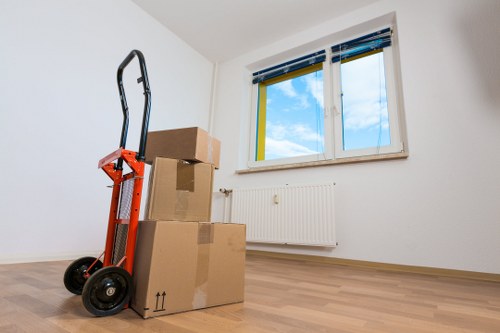
Good preparation makes storage easier, safer, and more cost-effective in the long run. If you are getting ready to use storage in Soho, it helps to think about how your items will be packed, labelled, and organised. A little planning now can save you a lot of time later when you need to find something again.
Start by sorting your belongings into clear groups. Keep items you will need soon in a separate section from things you can leave untouched for longer. If you are storing business materials, separate seasonal stock from ongoing supplies. If you are storing household goods, group kitchenware, books, clothing, decor, and furniture logically. This kind of organisation makes retrieval easier, especially if you are storing multiple boxes or different types of items together.
It is also wise to protect fragile items well. Use sturdy boxes, wrapping materials, and clear labels. Avoid overfilling boxes, as they can become difficult to stack or carry. When storing furniture, clean items before placing them away and, where possible, disassemble larger pieces to save space. For upholstered items, consider protective coverings to help keep them clean during storage.
If you are storing documents, label archive boxes by date or category so you can find what you need later without opening everything. For business stock, keep inventory notes if the items may be required quickly. A tidy, well-labelled storage setup is much easier to work with than a random pile of boxes.
Preparation checklist before booking
To make the most of your storage arrangement, it helps to prepare a quick checklist before you book. This gives you a clearer idea of what you need and makes the process smoother from the start.
- Decide whether you need short-term or longer-term storage.
- Estimate how much space your items will take.
- Make a list of furniture, boxes, stock, or equipment to be stored.
- Check whether any items need special handling or extra protection.
- Think about collection access, loading restrictions, and timing.
- Separate items you may need to retrieve soon from those that can stay packed away.
- Label boxes clearly and group similar items together.
- Confirm whether you need help with transport, collection, or delivery.
This kind of preparation is particularly useful in Soho because space and access are often tight. Knowing what you have and how it needs to be moved helps the service run smoothly and reduces the chance of delays.
Pricing factors customers should understand
When people ask about pricing for storage in Soho, the most honest answer is that it depends on several practical factors. Rather than focusing on a single figure, it is better to understand what shapes the final cost so you can compare services sensibly.
The main factors usually include how much you need to store, how long you need storage for, and whether collection or delivery support is required. A larger volume of furniture or stock will naturally need more space. Likewise, a longer storage period may be arranged differently from a short temporary one. If the items are difficult to access, heavy, fragile, or require extra handling, that can also affect the setup.
Local logistics are another consideration. In Soho, the effort required to load and move items can vary significantly depending on the building type, access route, and timing. Flats above shops, basement storage access, pedestrianised streets, and limited stopping points can all influence the amount of planning needed. A transparent service should explain these factors clearly so you know what you are paying for and why.
For business customers, the value is not only in the space itself but also in the time saved and the smoother running of day-to-day operations. For residents, the benefit may be reclaiming a small flat from clutter or making a move less stressful. When comparing options, consider the service quality, convenience, and local expertise alongside the basic storage arrangement.
Why choose a local company for Soho storage
Choosing a local team brings real advantages in a place like Soho. The area’s streets are busy, loading arrangements can be awkward, and buildings often have access limitations that outsiders do not immediately understand. A nearby company is more likely to know how to work around these issues efficiently and respectfully.
Local knowledge helps in practical ways. A team familiar with Soho will understand the pace of the area, the pressure on parking, and the need to keep things moving. That means better planning and fewer surprises on the day. If you are storing items from a flat near Piccadilly Circus, a shop in the Carnaby area, or an office close to Tottenham Court Road, local awareness can make the whole process feel far more manageable.
Flexibility is another major benefit. Soho customers often need storage quickly, or for a period that changes over time. A local service is often better placed to handle changing plans, last-minute adjustments, or requests for collection and return at short notice. That makes it a stronger fit for the way people actually live and work in central London.
Trust and communication matter too. When you are storing personal belongings, business stock, or equipment, you want a service that is straightforward and dependable. Clear explanations, practical arrangements, and a focus on customer needs all help build confidence from the outset.
Nearby areas covered
Customers looking for storage in Soho often also need service across surrounding central London locations. This is useful if your home, workplace, or access point is just outside the immediate Soho area. Nearby areas commonly served include:
- Covent Garden
- Mayfair
- Fitzrovia
- Marylebone
- Bloomsbury
- West End locations around Oxford Street and Regent Street
- Piccadilly and Leicester Square
- Nearby commercial streets and residential pockets across central London
If your building is in a busy part of the West End, it can still be worth asking about availability even if the exact access situation is unusual. A local service is often used to handling mixed residential and commercial requests across this part of London.
What makes storage helpful for Soho businesses
Soho businesses tend to be fast-moving and space-conscious. Whether you run a venue, a boutique, a design studio, or a service-based company, extra storage can make a meaningful difference to how your business feels and functions. Instead of crowding your premises with boxes, off-season materials, or spare equipment, you can keep your active workspace clear and focused.
Retailers may use storage for excess stock, packaging, display materials, or promotional items. Hospitality businesses often need space for small appliances, tableware, linen, and supplies that are not needed every day. Creative teams may need a place for props, samples, cameras, costumes, or project materials. Office customers may want somewhere to keep archived files, surplus furniture, or event kits. Each of these uses helps turn limited square footage into a more effective working environment.
For many businesses, storage also supports a more professional presentation. Clients, visitors, and staff all benefit when a workspace is tidy and purposeful. In Soho, where premises are often visible, compact, and busy, a clutter-free environment can make a real difference to how smoothly work is carried out.
Frequently asked questions
How do I know how much storage I need?
Start by listing the items you want to store and separating them into boxes, furniture, and larger equipment. If you are unsure, a local team can help you estimate the space based on the type and volume of items. It is usually better to be honest about the amount rather than underestimating.
Can I store both household and business items?
Yes, many customers use storage for mixed needs. For example, a homeowner may store furniture and boxes while also keeping business files or work equipment separate. Clear labelling and organised packing make mixed storage much easier to manage.
Is storage useful during a move within Soho?
Absolutely. Soho moves can be complicated because of access, timing, and compact properties. Temporary storage can help bridge gaps between tenancies, renovation schedules, or moving dates, especially if you need time to organise everything properly.
What if I need to retrieve something later?
That is one of the main reasons to keep items organised from the start. If your boxes are labelled clearly and grouped logically, retrieval becomes much easier. If you expect to need certain items more often, keep them accessible and note where they are stored.
Do I need to prepare everything myself?
In many cases, yes, but some customers prefer help with collection or handling. If you need support, it is best to ask at the booking stage so the right arrangements can be made for your property and items.
Is storage suitable for fragile items?
Yes, provided they are packed carefully and protected appropriately. Fragile belongings need sturdy boxes, cushioning, and clear labelling. It also helps to let the provider know if any items are especially delicate or valuable so they can be handled with care.
Why customers across Soho keep coming back to local storage
Many people who first use storage do so because they have a short-term problem to solve. But they continue using it because it becomes part of a smarter way to manage space. Once your flat feels less cramped, your office runs more smoothly, or your shop floor is free of clutter, it becomes clear how useful storage can be in a dense and busy area like Soho.
Local storage works best when it feels easy, responsive, and practical. That is especially important in the West End, where schedules are busy and space is limited. Whether you are a resident trying to make a small home more liveable or a business owner trying to keep operations organised, having a nearby solution can save time, reduce stress, and improve the way you use your premises.
If you are ready to free up space, get organised, or handle a move with less pressure, now is the right time to take the next step. Request a free quote, ask about availability, and book your service now.
Ready to arrange storage in Soho?
If you need dependable storage in Soho, the best first step is to explain what you want to store and how quickly you need support. Whether it is a handful of boxes, a flat’s worth of furniture, business stock, or archive materials, a local service can help you find a practical solution that fits your circumstances.
Storage should make life easier, not more complicated. With the right local team, you can keep your belongings secure, manage access with less hassle, and create room where you need it most. Contact us today to discuss your needs, request a free quote, or book your service now.
Helpful points to remember
Space in Soho is valuable. A good storage arrangement helps you use it better without taking on more property than you need. Practical planning, clear labelling, and local knowledge all make a noticeable difference.
Best for:
- Residents in compact flats and apartments
- People moving into or out of Soho
- Businesses needing stock or archive space
- Creative professionals with equipment and materials
- Anyone wanting to declutter without throwing things away