Health and Safety Policy for Removal Van Soho
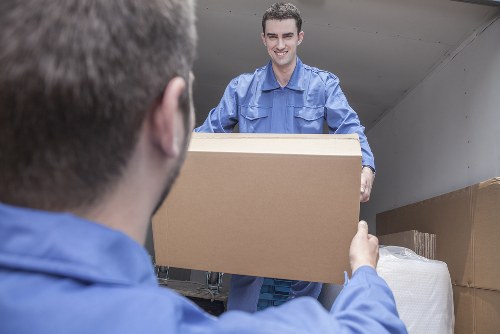 Health and safety is central to every stage of a removal van Soho operation. This policy sets out the standards, responsibilities, and working practices that help protect staff, customers, and property during packing, lifting, loading, transport, and unloading. Our aim is to reduce risk, prevent injury, and maintain a calm, well-organised move.
All team members are expected to act with care, follow safe systems of work, and report hazards promptly. A safe removals process depends on preparation, communication, and consistent attention to detail. Whether the job involves a single item or a full household relocation, the same safety principles apply.
 This policy applies to all activities carried out by the removal van Soho service, including manual handling, vehicle use, equipment checks, and site awareness. Every move is assessed on its own conditions so that risks can be identified and managed before work begins.
Core Safety Principles
The foundation of safe moving work is risk awareness. Before lifting or moving any item, staff should check the route, the weight and shape of the load, and any obstacles such as steps, narrow corridors, uneven floors, or poor lighting. If a task appears unsafe, it must be paused until a safer method is agreed.
Team coordination is essential. Each member should understand their role, respond clearly to instructions, and avoid rushing. A well-managed man and van Soho service uses steady pace rather than speed, because preventable accidents often happen when workers try to do too much at once.
The use of suitable equipment helps lower the chance of injury. Trolleys, straps, blankets, gloves, and protective coverings should be selected according to the item and the environment. Equipment should always be checked before use and removed from service if damaged.
Manual Handling and Physical Safety
 Manual handling is one of the main risk areas in the removals industry. Staff must use correct lifting techniques, bend at the knees, keep loads close to the body, and avoid twisting while carrying. When an item is too heavy, bulky, or awkward, it should be moved by two or more people or with mechanical support.
Customers are also encouraged to keep walkways clear and remove trip hazards where possible. During a home removal van Soho job, safe access is important for everyone. Floors should be protected if needed, and fragile surroundings must be treated carefully to prevent damage and injury.
Heat, fatigue, and dehydration can increase the chance of mistakes. Staff should take suitable breaks, stay hydrated, and manage workloads responsibly. A reliable removal van service must balance efficiency with wellbeing, especially during longer jobs or when carrying items up and down stairs.
Vehicle and Loading Safety
Vehicles must be kept in good working order and checked before each job. Tyres, brakes, lights, mirrors, fuel levels, and load security should all be reviewed as part of routine safety practice. A van removal Soho operation must never compromise safety in order to save time.
Loading should be done systematically, with heavier items placed securely and lighter goods positioned to prevent crushing or movement. Loads must be distributed evenly so that the vehicle remains stable in transit. Straps and securing devices should be used to prevent shifting during braking or cornering.
Where items are particularly delicate, sharp, or unstable, extra padding and careful placement are required. The person in charge should confirm that the vehicle is not overloaded and that the route planned for transport is suitable. This supports safe and dependable removal van services from start to finish.
Hazard Control and Emergency Readiness
Hazard control begins with observation. Staff should look out for broken glass, loose cables, wet surfaces, unstable furniture, and anything else that could create risk. If a hazard cannot be removed immediately, the area should be marked or avoided until it is safe to continue.
Fire safety, first aid awareness, and incident reporting are all part of responsible working practice. Any injury, near miss, or property damage must be reported without delay so that action can be taken and future risks reduced. A careful removal van Soho team treats every incident as a chance to improve safety.
In the event of an emergency, the priority is to stop work, secure the area, and protect anyone at risk. Team members should remain calm, follow instructions, and use established procedures for evacuation or medical assistance if required.
Training, Responsibility, and Review
 Safety depends on training, supervision, and accountability. All staff should receive instruction on manual handling, vehicle safety, equipment use, and emergency procedures. New team members should be supervised until they demonstrate safe working habits consistently.
Managers are responsible for reviewing working methods and making sure that risks are properly controlled. A strong Soho removal van policy is not static; it should be reviewed regularly and updated when work methods, equipment, or risk levels change.
 Every successful removal van Soho operation relies on shared responsibility. By working carefully, using the right equipment, and keeping safety at the centre of each task, the service can protect people, property, and reputation while maintaining high standards of professionalism.